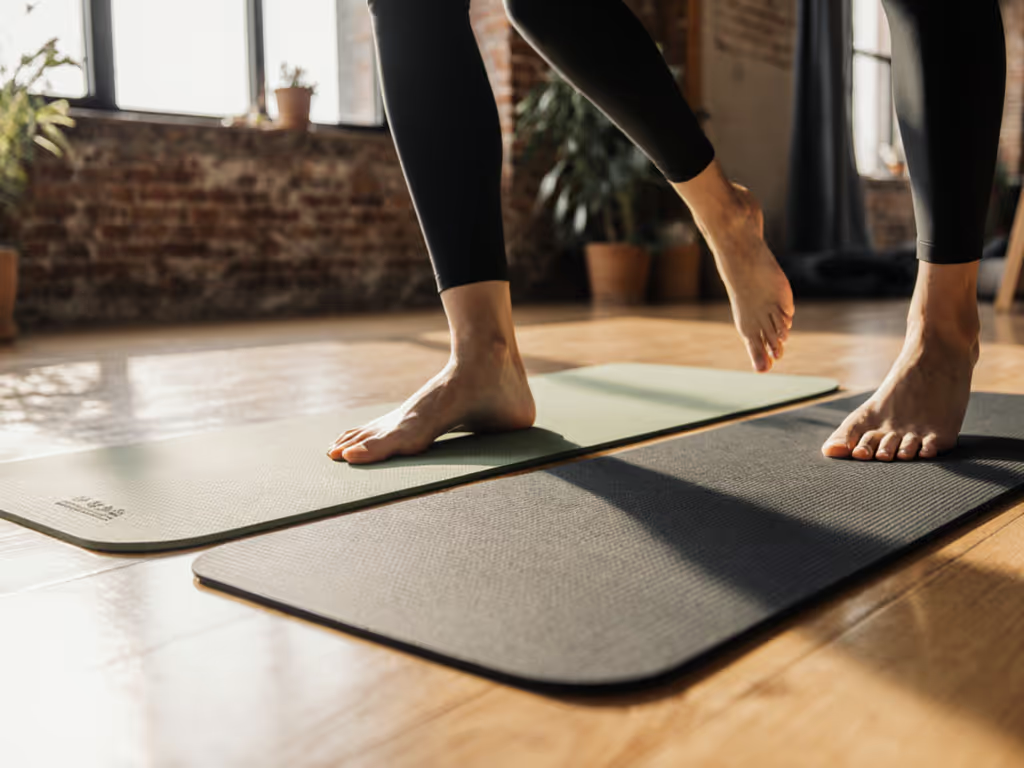
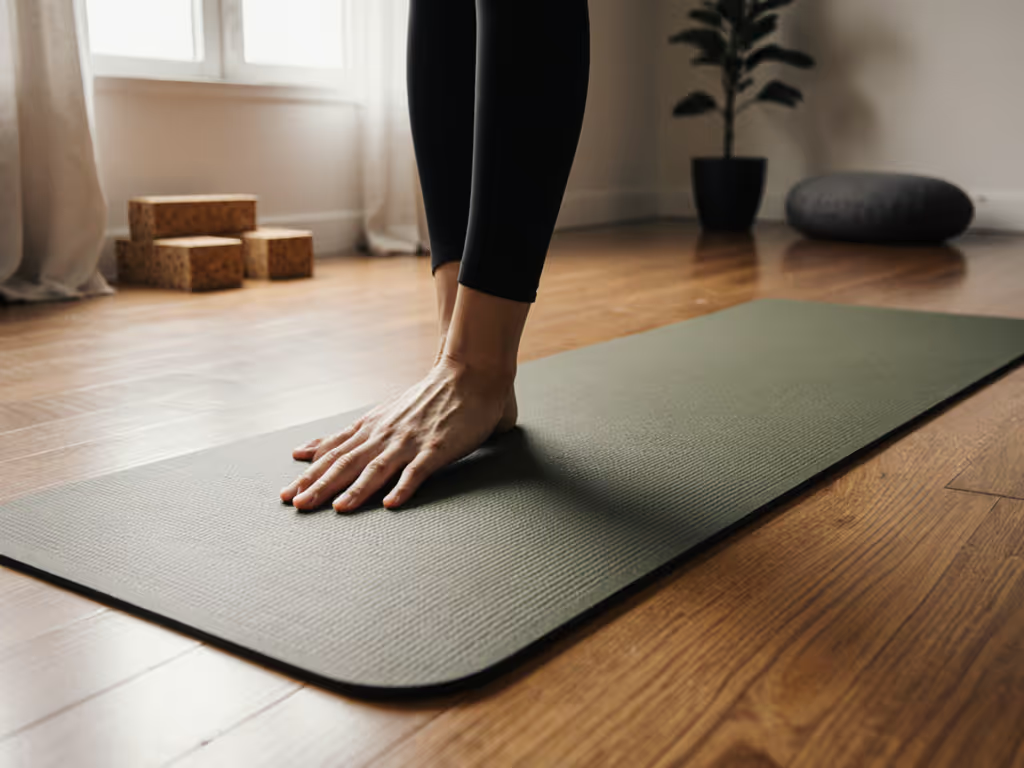
Learn how to match mat thickness, material, and size to short, sweaty flows or long, slow holds - balancing grip, cushioning, and portability for safer practice.
Choose a yoga mat for EDS that prioritizes grip, mid-range stability, and safe alignment, with guidance on thickness, materials, off-gassing, and durability.
Learn how to pick a teacher training mat that endures: lab-tested guidance on materials, 5-6mm thickness, wet grip, edge integrity, care, and cost per use.
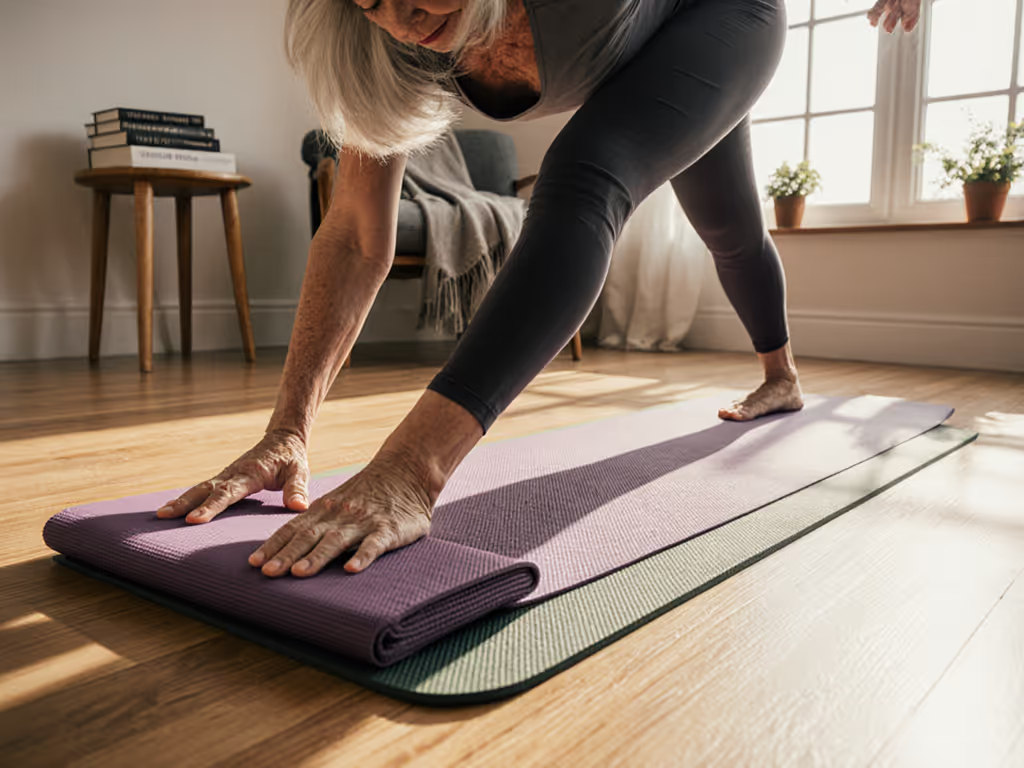
Discover why thin mats beat thick ones for stable inversions and safer wrists. Match thickness and materials to your floor for reliable grip, even when sweaty.
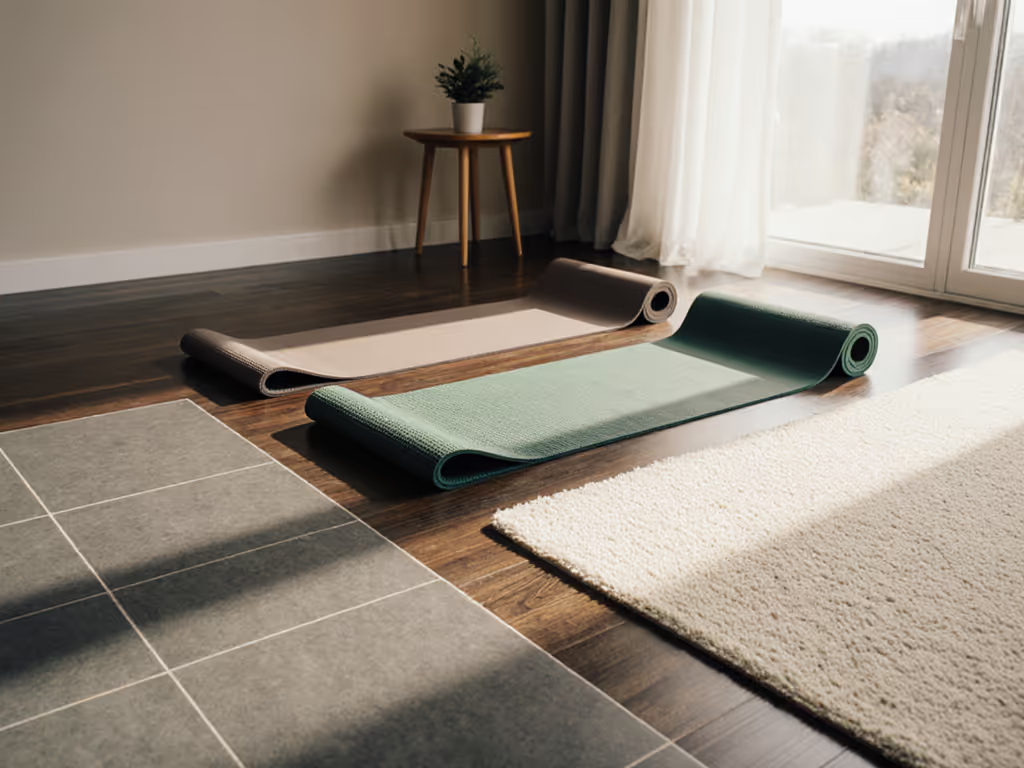
Match your mat to hardwood, tile, or carpet for safer, steadier poses. Learn thickness, density, and layering tests to protect joints and improve grip.
See why thin mats improve balance, grip, and force transfer in fast flows, then use density, floor, and texture criteria to choose a stable, joint-smart setup.
Trace the shift from grass and cotton to sticky hybrids, and learn how material science and moisture management drive grip, safety, and performance in heat.
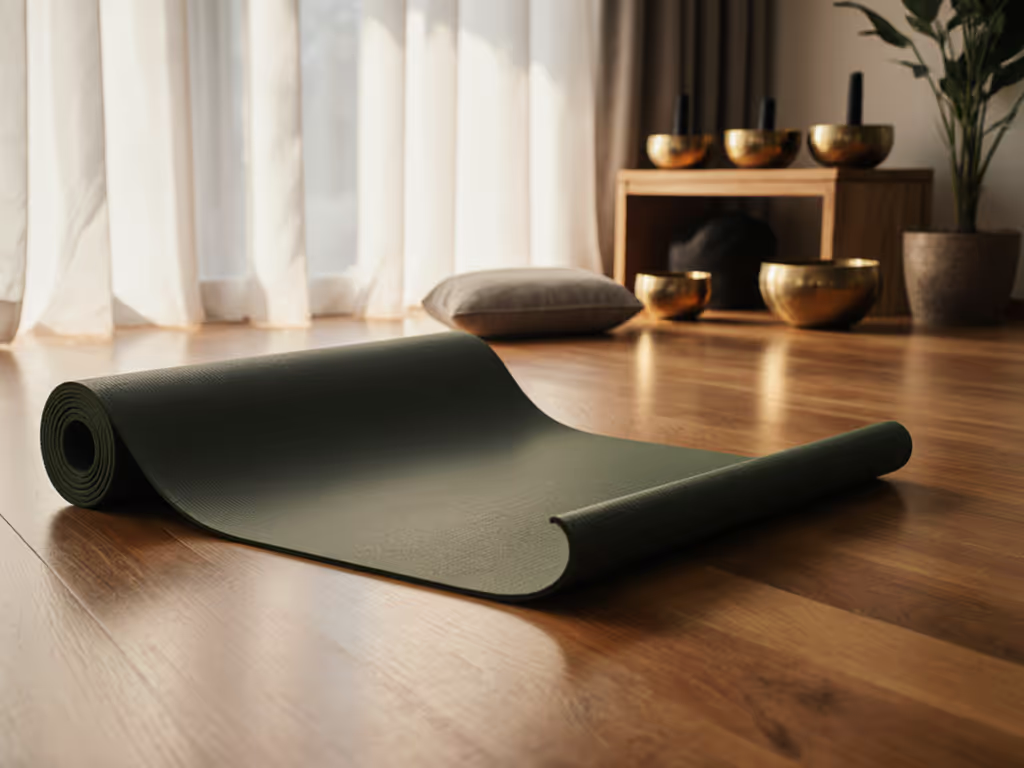
Learn how to choose a thin, rubber-based mat that optimizes 30–88 Hz vibration transfer, maintains wet grip, and keeps practice stable and neighbor-friendly.
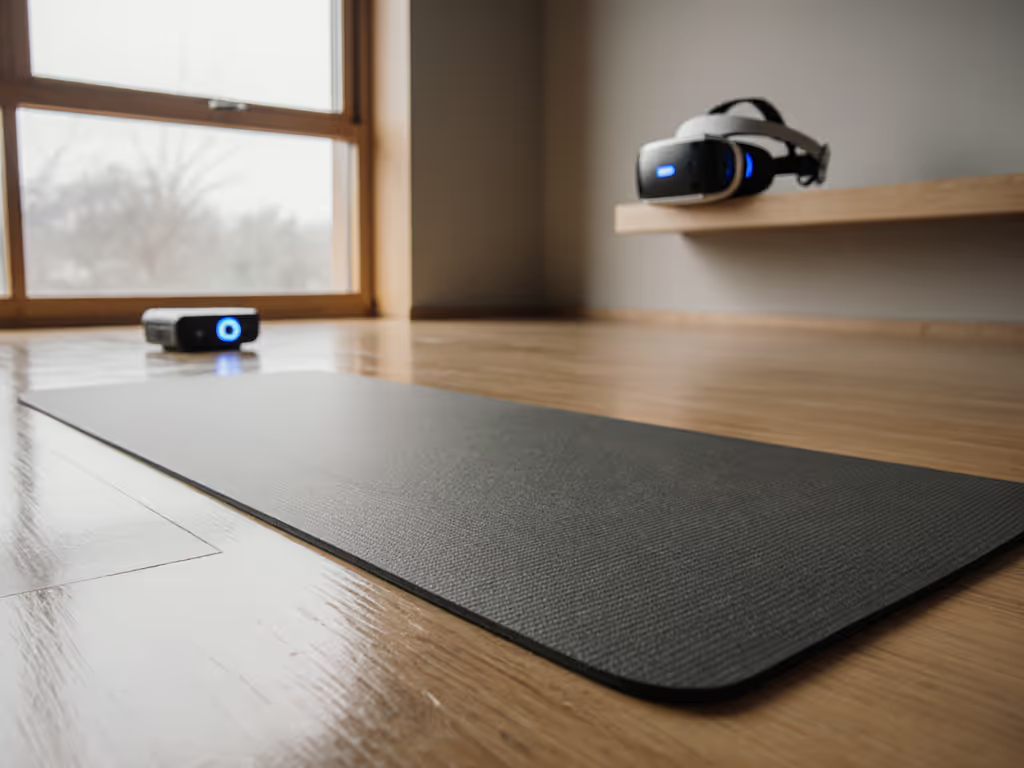
Get cleaner VR yoga tracking with a thin, sweat-responsive mat and floor-lock base. Learn the 3.5mm sweet spot, setup steps, and materials to reduce errors.
Learn how to choose a thin travel yoga mat that doubles as a stable rug in small spaces - covering thickness, materials, grip, sizing, and care for longevity.
Find bike-safe, lightweight carriers that protect large mats, backed by durability tests and cost-per-use math, plus quick checks to avoid slippage and mildew.