DIY Yoga Mat Upcycling: Transform Old Mats at Home
By Mina Okafor • 23rd Feb
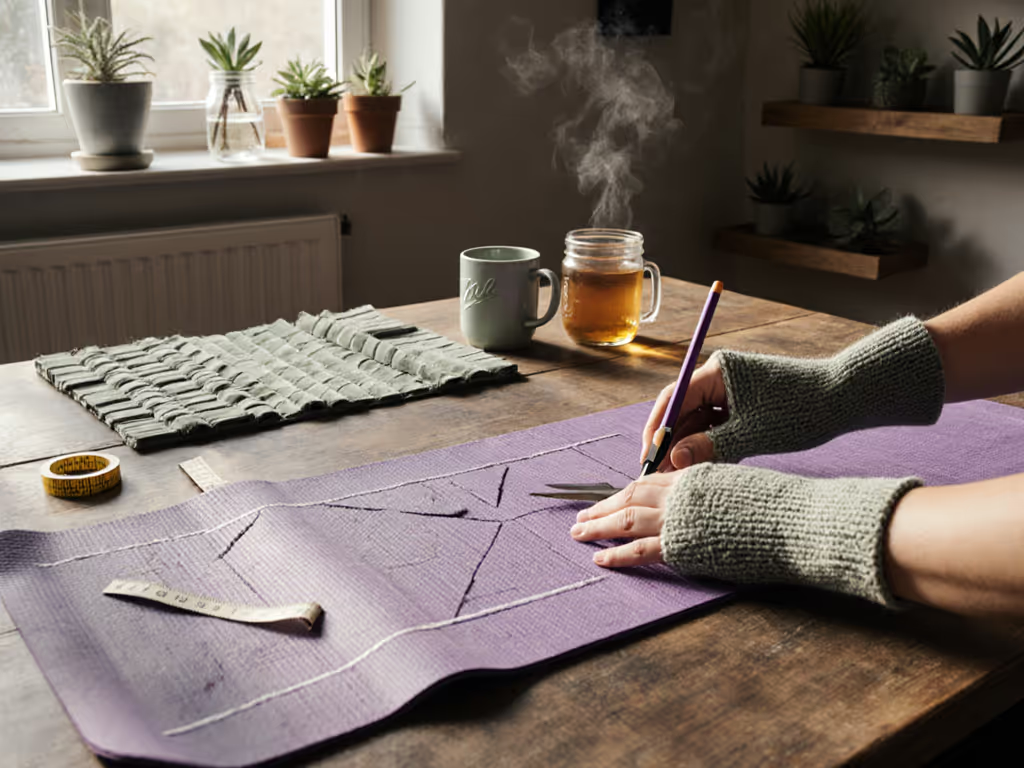
When your yoga mat upcycling projects breathe new life into worn practice gear, you're doing more than extending a mat's lifespan. You're reclaiming material value while honoring the biomechanical principles that made that mat useful in the first place. Comfort is engineered: density, thickness, and floor all work together. For a quick refresher on how thickness affects comfort and stability, see our yoga mat thickness trade-offs. Understanding this framework transforms how you approach creative yoga mat reuse, shifting from waste to purposeful repurposing.
Why Upcycling Matters: Beyond Waste Reduction
Most yoga mats are made from difficult-to-recycle materials such as PVC or vinyl, which means conventional recycling centers often cannot process them. For disposal options beyond upcycling, read our end-of-life recycling guide. Rather than adding to landfill, upcycling your old mat taps into the same structural qualities that served your practice: non-slip surfaces, moisture-wicking, cushioning, and durability. The material that once protected your knees during chaturangas can protect your floors, cushion pet feeding areas, or stabilize kitchen tools.
The density and rebound properties that make a yoga mat functional also make it remarkably versatile. A mat that felt too firm for comfortable kneeling might be ideal as a non-slip shelf liner. A mat with a textured top surface works brilliantly as a gripper. Rather than chasing the perfect single-purpose solution, I learned years ago that repurposed mats can be tuned to their new role. My first apartment had tile floors that punished every lunge, and I cycled through plush mats that felt great on knees but wobbly in standing poses. If floors are part of your stability struggle, our floor compatibility guide explains how surfaces change mat performance. When I finally moved to a stable setup, I didn't discard the old mats, I cut them into pieces that now protect my floors and belongings in ways the original mat never could.
Organizing Your Upcycling by Space and Stability
Kitchen & Dining Projects
Coasters and Furniture Pads: Trace around a large mug or plate to cut circles of varying sizes from your mat. These maintain the non-slip, moisture-wicking qualities of the original material, protecting your furniture from water rings and wobbling drink glasses. The density underneath keeps coasters stable on any surface (hardwood, tile, or laminate).
Jar Openers: Slice small circles using oversized cookie cutters. The textured top surface of most mats grips glass jar lids reliably, giving your hands leverage without slipping. This works because the same microtexture designed to prevent foot slippage operates equally well against smooth glass.
Place Mats and Pot Mats: A mat cut to place-mat size becomes a stable, heat-protective surface under hot dishes. The cushioning prevents dishes from sliding, and the moisture-wicking properties handle spills before they migrate to your table.
Can Koozies: Cut a strip about 10 inches long and 4 inches wide, glue the ends together, and add a base strip to prevent cans from sliding out. This works precisely because yoga mats resist slipping, your drink stays put on a table or in a bag.
Household Stability & Safety
Non-Slip Bath & Mudroom Mats: Cut your mat to fit these wet zones. The same moisture-wicking and non-slip properties that supported your practice protect you from slipping on tile or hardwood during transitions. This is where density choice matters: a thinner mat (3 to 4 mm) works better in doorways to prevent tripping, while a medium-thickness mat (5 to 6 mm) provides cushioning for standing at a sink.
Shelf and Drawer Liners: Use a cardboard template to trace your mat to exact shelf dimensions, then cut and fit. The non-slip surface keeps items from sliding as you pull drawers open, and the cushioning protects delicate dishware or glassware. Stability matters here too: too thick and your shelf feels uneven, too thin and items shift.
Child Safety Flooring: Layer mats in a playroom to cushion falls while maintaining firmness underneath for balance development. This is where the rebound principle shines: the mat absorbs impact without being so soft that a toddler loses footing.
Outdoor & Recreational Upcycling
Camping and Picnic Mats: A full-size or partial mat serves as a durable, lightweight seat or ground insulator. The density prevents moisture from seeping up from wet grass, and the material withstands dirt and rougher terrain better than fabric alone.
Weed Control: Place a mat over garden sections overtaken by weeds. The sun's heat is sealed in, smothering growth over time. Here, the mat's stability (its resistance to movement and curling) works against the soil.
Beach and Wetsuit Change Mat: Cut a section framing artwork you like, then use it as a sand barrier and foot protector before changing into or out of a wetsuit. The non-slip surface keeps you steady on wet sand.
The Cutting & Preparation Process
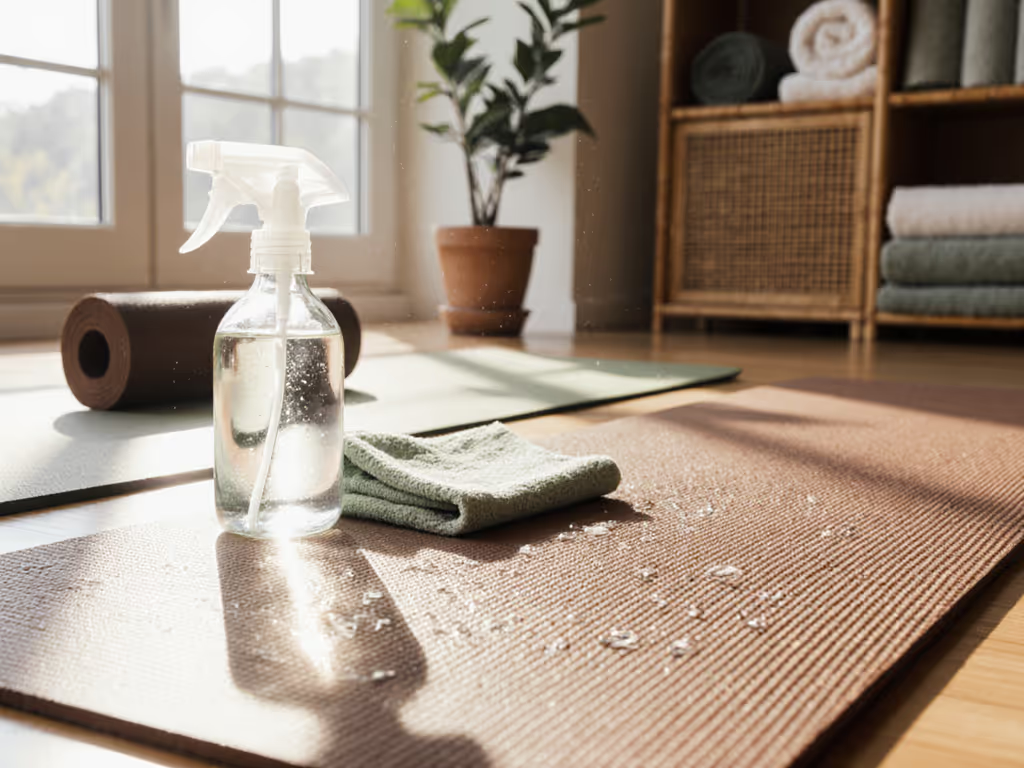
Before you begin, clean and dry your mat completely. Use our natural rubber mat cleaning steps to remove residue without damaging grip. A mat that smells or feels damp will degrade faster in its new role and may not grip effectively.
When measuring and cutting:
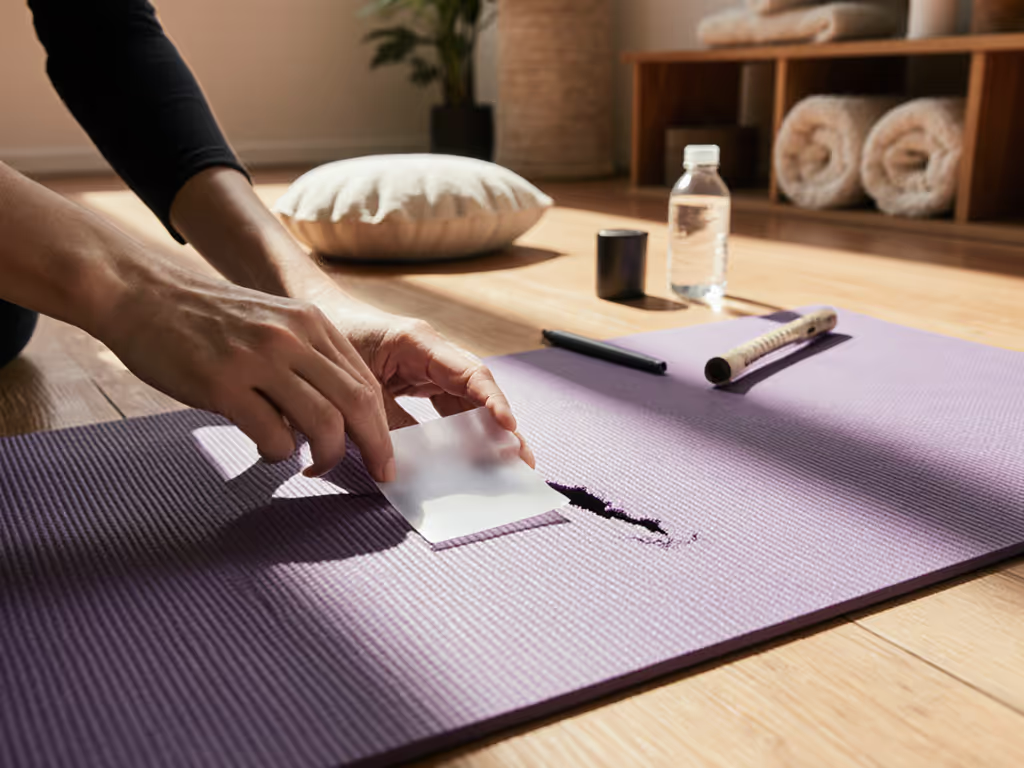
- Use a pen or pencil similar to your mat's color, or draw on the reverse side to avoid visible marks
- Measure twice, cut once
- For projects involving stability (coasters, shelf liners, grippers), place your template in the strongest area of the mat (typically the corners) to minimize waste
- Smooth out any jagged edges after cutting to prevent fraying and ensure safe handling
Optional: Glue two mat pieces together for added thickness if a project requires more cushioning or stability.
Matching Projects to Your Mat's Condition
Not every old mat is suitable for every project. A mat that has lost grip due to sweat buildup or wear still cushions effectively, making it ideal for pet bedding, bath mats, or soundproofing. To decide whether to repair, upcycle, or replace, check the grip replacement signs based on material aging. A mat with a still-textured surface works beautifully as a gripper or shelf liner. A mat that has developed holes or thin spots can be trimmed around damage and cut into smaller pieces, coasters, pot mats, or decorative elements.
Consider your mat's remaining density and rebound. If it still bounces back when pressed, it's protecting joints or stability well enough for safety applications. If it's flattened, it's perfect for non-cushioning roles like drawer liners or shelf protection.
Protect Joints Without Losing Balance
The principle that guided your mat selection for yoga applies to upcycling too. A too-soft repurposed mat under a shelf might let items settle unevenly. A too-firm mat in a bathroom might feel unstable underfoot. As you assign projects, ask: What stability does this new role require? What cushioning will actually help? Your old mat's engineered properties (the same ones that served your practice) can be tuned to answer that question.
Next Steps: Start Small and Document
Choose one upcycling project that solves a real problem in your home, a slipping mat in front of your bathroom sink, a wobbling kitchen utensil rack, or a need for coasters. Start with that single cut and fit. Notice how the mat's density, texture, and non-slip quality perform in its new context. Did it solve the problem? Did it feel stable? Once you've tested one project, you'll understand your mat's remaining potential more intuitively, and the next projects will follow more naturally. From there, inventory your other old mats and identify which roles suit their remaining condition best. Document your favorites with a photo and share them with your yoga community, you'll likely inspire others to rethink their old mats too, extending both their lifecycle and your craft knowledge.
Related Articles