Yoga With Pets: Claw-Resistant Non-Toxic Mat Guide
By Aiko Tanaka • 30th Jan
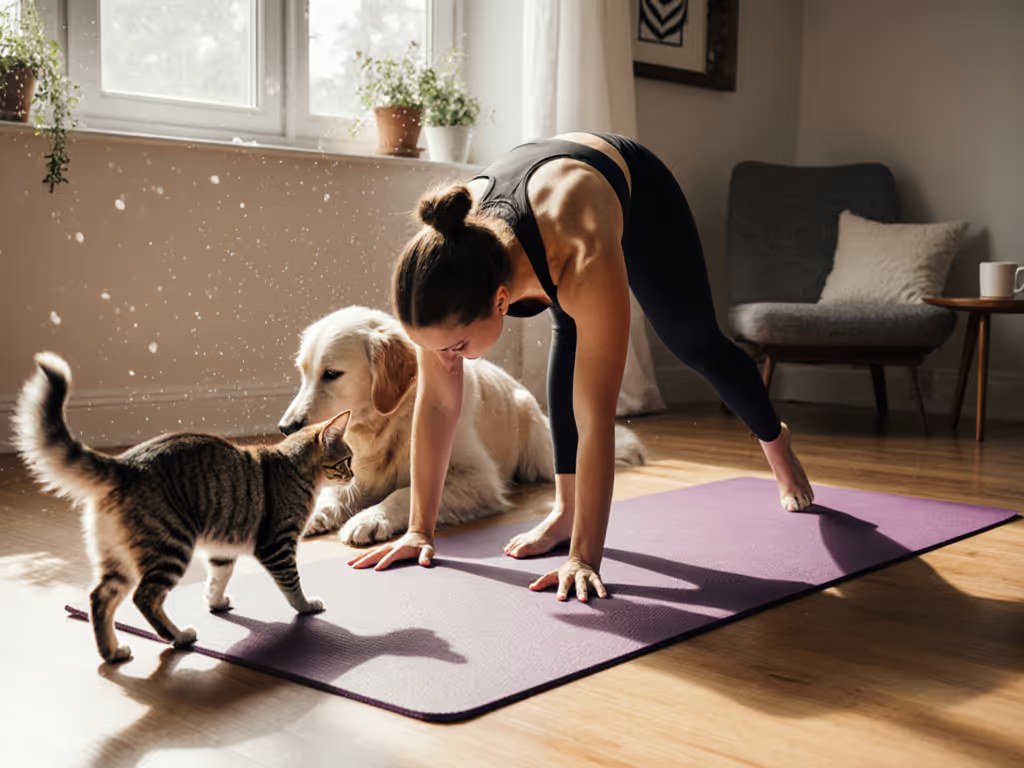
As a hot-yoga instructor who regularly rotates mats through back-to-back classes, I've observed how yoga with pets transforms the practice environment. When your furry companion joins your flow, you need a mat that can handle claws, hair, and unpredictable movements while maintaining performance. In this guide, I'll share field-tested insights specifically for pet owners navigating the complex mat selection process.
Field heat is the truth serum for mat grip.
Why Your Standard Yoga Mat Fails During Pet Sessions
How Pet Claws Impact Mat Durability and Performance
Most standard yoga mats weren't designed for claw contact. During my studio rotations, I've noticed that mats with open-cell foam structures tear easily when pets stretch or reposition themselves. Closed-cell surfaces generally fare better but often sacrifice grip when wet (a critical trade-off when your practice gets sweaty). For a deeper dive into how PVC and natural rubber behave in sweat and why open- vs closed-cell structures matter, see our PVC vs natural rubber comparison.
In my experience teaching heated classes, I've seen pets use mats as scratching posts, particularly cats who treat them like giant versions of their scratchers. The resulting damage isn't just cosmetic; deep claw marks create uneven surfaces that compromise stability during poses like downward dog or warrior II. If claw marks already happened, follow our yoga mat tear repair guide to decide between patching and replacement.
The Pet Hair Problem: How It Affects Your Grip
Pet hair yoga mat issues extend beyond simple aesthetics. During my testing, I've observed that accumulated pet hair between you and the mat surface creates micro-slippage points that compromise your foundation. This is especially dangerous during transitions where you're already redistributing your weight.
In my teaching practice, I've noticed students with pets report needing to use more muscular engagement to maintain poses, a subtle sign their mat's grip is compromised by hair buildup. This extra effort diverts focus from breath and alignment, and it defeats one of yoga's core purposes.
Material Science: What Makes a True Non-Toxic Pet-Safe Mat
Claw-Resistant Material Properties Explained
Through repeated testing in conditions where mats endure both human sweat and pet interaction, I've identified specific material properties that withstand claw contact:
- Surface Density: Higher-density materials resist penetration from claws
- Recovery Rate: How quickly the material "bounces back" after pressure is released
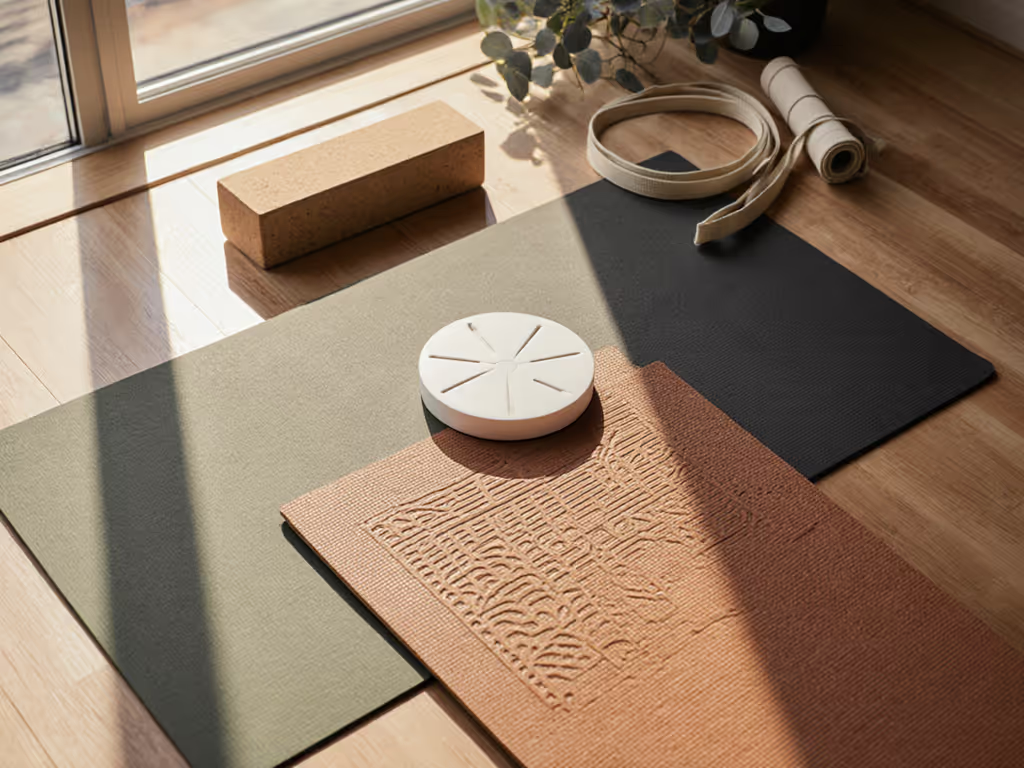
- Microtexture: Surface patterns that hide minor scratches without compromising grip
For my claw-resistant yoga surface evaluations, I use a simple field test: press a blunt object (like a spoon handle) with consistent pressure to simulate claw contact, then assess indentation depth and recovery after 24 hours. Mats that show minimal permanent indentation typically last significantly longer with pets.
Non-Toxic Certification: What Actually Matters for Pet Owners
When selecting a non-toxic pet-safe mat, don't just look for "eco-friendly" claims. Dig deeper into certifications:
- GOLS (Global Organic Latex Standard): For natural rubber components
- OEKO-TEX Standard 100: Tests for harmful substances
- Cradle to Cradle Certified: Assesses sustainability across product life cycle
- SixP Certification: Specifically tests for phthalates (common in PVC mats) Not sure what these labels actually test? Read our plain-English breakdown of GOTS and OEKO-TEX certifications before you buy.
During my studio testing, I've found mats labeled "non-toxic" but still containing questionable adhesives between layers. The best approach is to press the mat into a tight roll and smell it. Strong chemical odors usually indicate VOCs that could affect both you and your pet's respiratory system.
Performance Testing: The Pet Owner's Practical Checklist
The Wet/Dry Grip Assessment
Your yoga mat for pet owners must perform equally well in both dry and sweaty conditions. Here's my field-tested protocol:
- Test dry grip walking barefoot across the mat in all directions
- Apply light misting (simulating early sweat) and repeat
- Test with damp hands in downward dog position
- Apply moderate sweating simulation (wet sponge in high-contact areas)
- Have a second person gently "test" the mat surface with household pet interactions
Tested soaked, trusted dry: that's the mantra I share with students who practice with pets. If it can hold during your most intense flow with your pet nearby, you've found a winner.
Claw Impact Test: How to Evaluate Scratch Resistance
Rather than relying on marketing claims, conduct this practical test:
- Place the mat on your typical flooring surface
- Simulate pet scratching using a blunt object with moderate pressure
- Clean the surface thoroughly
- Assess grip performance immediately after "scratching"
- Repeat after 24 hours to evaluate material recovery
Cleaning Protocol That Actually Works
Most yoga mat cleaning instructions don't address pet hair or potential accidents. Use our natural rubber mat cleaning guide for pet-safe techniques that preserve grip across materials. After timing drying periods across dozens of mats in my studio, I recommend:
Field-tested specifics: The clock starts when you finish cleaning, not when you begin. A mat that takes 30 minutes to clean but requires 4 hours to dry creates a 4.5-hour downtime.
For pet owners, look for mats that:
- Can be cleaned with pet-safe enzymatic cleaners
- Dry within 2 hours at room temperature (68 to 72 degrees F)
- Resist odor retention after cleaning
- Maintain grip after repeated cleanings
Critical Considerations for Your Specific Pet
Cat Owners: Special Surface Requirements
Cats approach yoga mats as scratching surfaces first, resting places second. The ideal mat for cat owners features:
- Slightly textured surface that satisfies scratching urge without tearing
- Dual-sided design to extend life when one side shows wear
- Lightweight enough to reposition when cats rearrange it
During one particularly memorable August class when our AC failed, I noticed how cats instinctively sought out the coolest, most stable surfaces (just like yogis do). That experience reinforced that both humans and felines prioritize stable, temperature-regulating surfaces when conditions get challenging.
Dog Owners: Stability and Joint Support Needs
Dogs often use mats as resting spots between your practice sessions. For dog owners, consider:
- Floor-side traction that prevents sliding when dogs step on/off
- Sufficient cushioning to support your dog's joints
- Water resistance for accidental spills or pet hydration
Seniors and larger dogs particularly benefit from mats that don't compress permanently under sustained weight, a crucial factor I test by placing weighted objects on mats for extended periods. If your mat slides when your dog steps on and off, check our floor compatibility guide to match mat traction to wood, tile, or carpet.
Actionable Next Steps for Your Pet-Friendly Practice
Your 48-Hour Mat Evaluation Protocol
Don't rely on marketing claims. Implement this evaluation process:
- Day 1: Test grip dry, then with light misting (simulating early sweat)
- Day 1 evening: Place your pet on the mat during their normal activity period
- Day 2 morning: Clean according to manufacturer instructions and time drying process
- Day 2 evening: Test grip performance after cleaning and pet interaction
If a mat passes this protocol while maintaining performance during your practice, it's earned its place in your pet-friendly yoga space.
When to Consider a Dedicated Pet Mat
For households with particularly active or large pets, consider a practical solution many of my students have adopted: maintain a dedicated mat just for your pet to use during your practice. This preserves your primary mat's performance while giving your pet their own designated space.
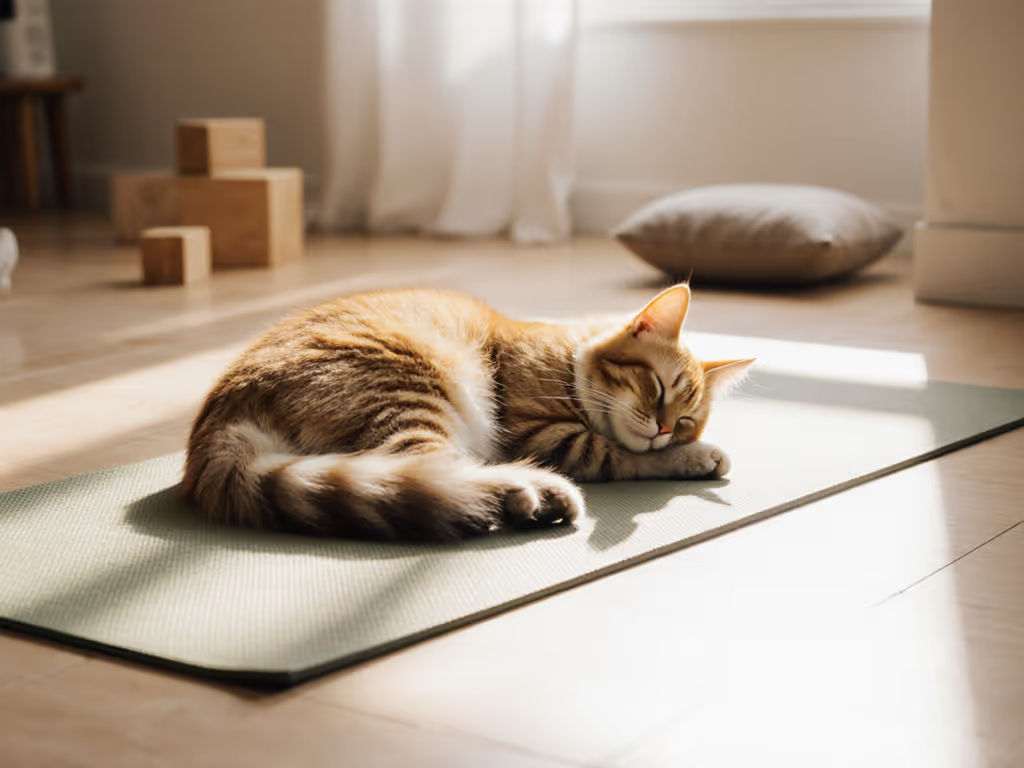
This separation strategy addresses the core issue that many pet owners face: sacrificing their own practice stability for the sake of including their pets. Remember, safe practice benefits both you and your pet.
If a mat holds in the worst class, it frees the mind. When your foundation remains steady despite unexpected pet movements, your practice deepens naturally. Invest the time to find your ideal yoga mat for pet owners: your practice, and your pet, will thank you.
Related Articles