Best Yoga Mats for Multiple Sclerosis: Grip, Balance, Relief
By Aiko Tanaka • 17th May
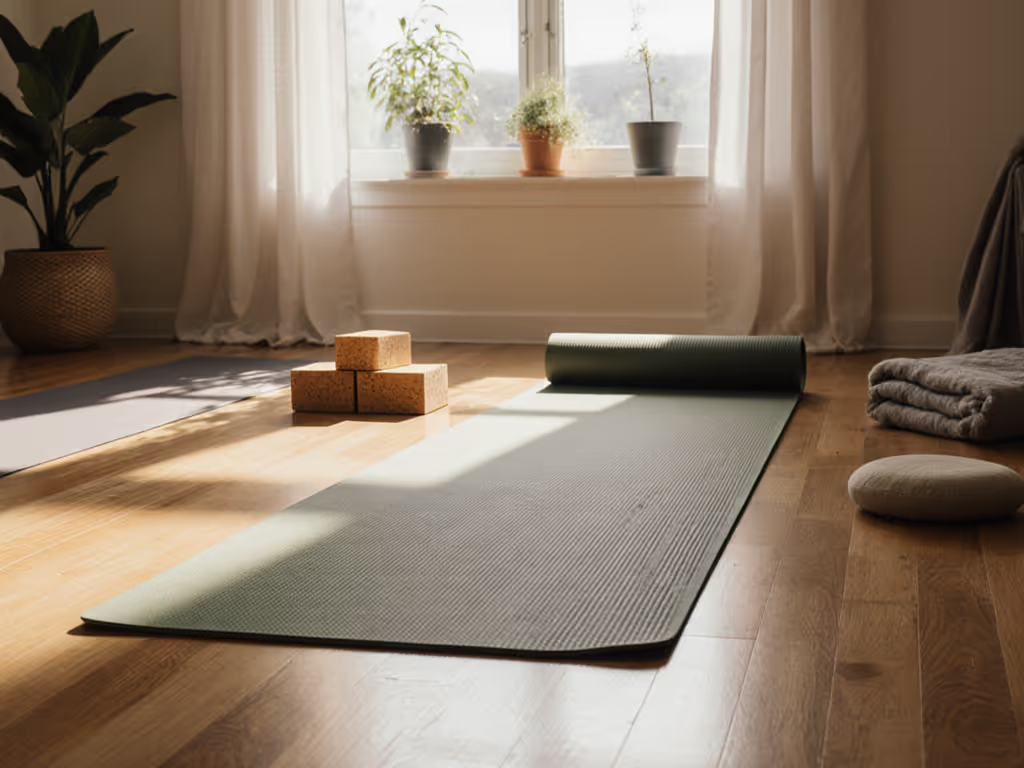
Choosing a yoga mat for multiple sclerosis isn't about trend colors or influencer favorites; it's about creating an MS-friendly yoga surface that lets your nervous system focus on movement instead of crisis management. When balance, nerve sensitivity, and fatigue are part of the picture, the mat underneath you can either calm the system or constantly provoke it.
As a hot-yoga and vinyasa instructor who tests mats under heat, sweat, and studio noise, I look at every mat as a piece of safety equipment first. Field heat is the truth serum for mat grip. If sweat is a factor, see our verified non-slip hot yoga mats for options that stay grippy when wet. You don't need a hot class if you have MS, but you do need a mat that would pass in one.
Studio chaos, simple choices.
Below is a data-driven FAQ guide to help you match your symptoms, flooring, and practice style to the right surface (without drifting into medical advice). Use it as a gear map, and always confirm movement choices with your clinical team.
FAQ 1: Does mat choice really matter if I have MS?
Yes: primarily for safety, sensory comfort, and energy conservation. For condition-specific stability features, see our guide to tremor-stable yoga mats for neurological conditions.
Common MS-related challenges that intersect with mat choice:
- Balance and coordination changes - wobbly or overly soft mats make steadiness harder.
- Nerve sensitivity or neuropathic pain - very rough textures, hard floors, or pressure points from thin mats can be aggravating.
- Muscle weakness and fatigue - fighting a slippery surface burns energy you could use for actual movement.
- Heat sensitivity - some materials run hot, some stay cooler; that matters if heat worsens your symptoms.
A well-matched neurological condition yoga mat doesn't treat MS, but it:
- Reduces unnecessary slips and falls
- Lowers the background "threat level" your system has to monitor
- Makes it easier to transition in and out of the practice without pain spikes from the floor
Think of it as choosing the right shoes for uneven terrain: the trail is the same, but the experience is completely different.
FAQ 2: What features should I prioritize in a yoga mat for multiple sclerosis?
1. Grip you can trust (both sides)
There are two grip questions:
- Top-surface grip (hands/feet on mat)
- Bottom grip (mat on floor)
For MS, both matter more than average.
Top grip:
- Look for a mat that feels secure even with slightly damp hands/feet. If you sweat, or your studio runs warm, this is non-negotiable.
- Surfaces marketed as "high traction" or "dry-wet grip" (often polyurethane on top of dense rubber) tend to perform well in field tests.
- Avoid surfaces that feel plasticky or glossy when dry and rely on sweat to become grippy. You may not want to wait for that point.
Bottom grip:
- If you practice on wood, tile, or vinyl, choose a dense rubber or similar base that doesn't drift when you step to the edges. For floor-specific setup tips, explore our yoga mat floor compatibility guide.
- If you're on carpet, extra-soft foam mats can buckle or creep. Look for mats specifically noted as high-density rather than "squishy".
In one memorable August evening when the cooling system failed mid-class, a lighter foam travel mat turned into a slip-slide during a simple twist, while a heavier rubber-topped mat stayed planted through actual puddles. That kind of stress test is overkill for home practice, but it clarifies why firm, high-friction bases matter.
2. Stability vs. cushioning
For an MS-friendly yoga surface, the main trade-off is:
- More cushion = less direct pressure on knees / hips but often less stability in standing and balancing.
- More density and firmness = better balance feedback but less shock absorption.
Typical thicknesses:
- "Thin yoga mat" (2-3 mm) - highest stability, minimal cushion; better for balance, tougher on joints.
- Standard (4-5 mm) - good balance of stability and comfort for many people.
- Thick (6+ mm) - great for pressure relief, but often too wobbly for balance, especially on carpet.
For many people with MS:
- A dense 4-5 mm mat is a strong starting point.
- Add folded blankets or an extra layer only under sensitive joints instead of buying an overly thick mat for the whole body.
3. Texture and sensory comfort
If you deal with allodynia or nerve sensitivity, texture matters as much as thickness.
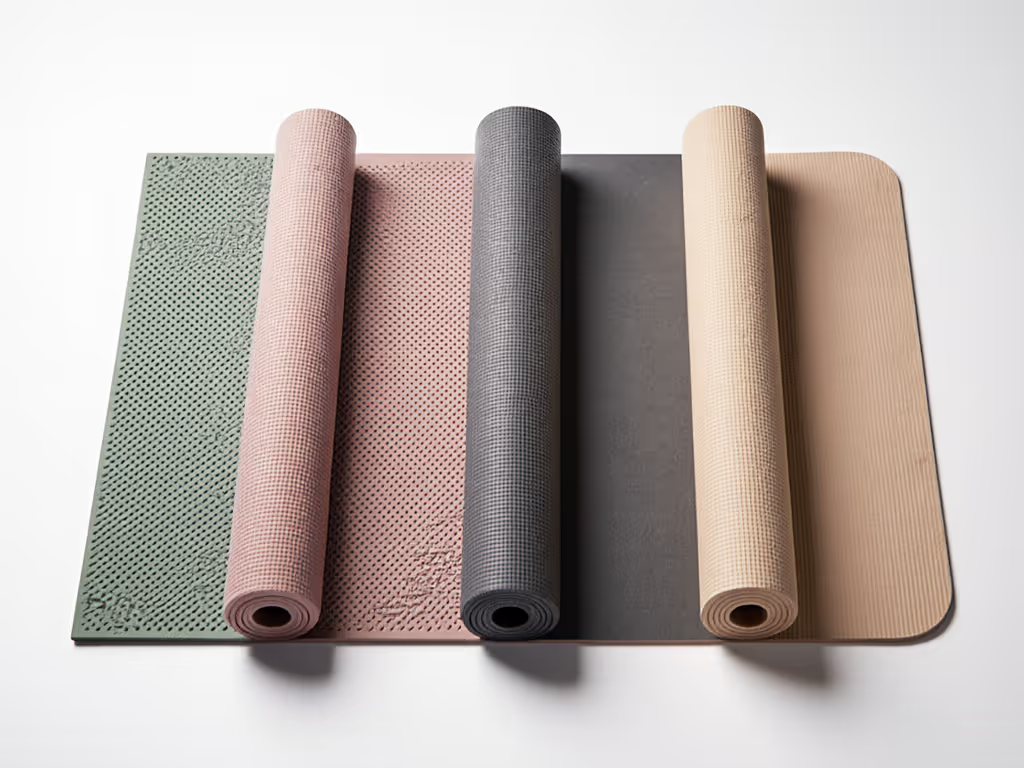
- Choose smooth or micro-textured tops if rough patterns set off discomfort.
- Avoid aggressive ridges, deep patterns, or woven jute tops if your skin is easily irritated.
- If your feet get cold or numb, a mat with a slightly grippy but not abrasive touch helps you sense where you are without scraping.
4. Size and orientation
Standard mats are ~173 cm x 61 cm (68" x 24"). You might want:
- Longer (71-85") if you're tall or like full-body supine work without hanging off the mat onto a hard floor.
- Wider (26-30") if balance is a concern and you want more "lateral room" for stepping and support.
Extra width is particularly useful when you (or your instructor) modify stances to be wider and more stable.
5. Weight and portability
I'm biased toward heavier mats because, under studio heat, they stay put. But with MS, carrying load might be a key constraint.
- Heavier dense-rubber mats (3-4+ kg): excellent performance, but challenging if you're walking, using mobility aids, or commuting on public transport.
- Mid-weight (2-2.5 kg): good compromise - still stable, more manageable to carry.
- Light travel mats (1-1.5 kg): appealing for portability, but often thinner and less forgiving on joints.
If fatigue or grip strength is an issue, consider storing a heavier mat at the studio (if possible) and using a lighter, slightly cushier yoga mat for exercise at home, where floor conditions are predictable.
FAQ 3: Which materials work best in an MS-friendly yoga mat?
Below is a material-level comparison for a neurological condition yoga mat, focused on grip, stability, temperature, and potential sensitivities.
Natural rubber (with or without PU top)
- Grip: Excellent dry; with PU top, often excellent wet.
- Stability: High density, which leads to strong balance support.
- Temperature: Can feel slightly warm but usually not heat-trapping.
- Sensory: Slight rubber smell initially; top can be smooth or micro-textured.
- Watch for: Latex allergies. If you have any latex sensitivity, treat natural rubber cautiously and talk to your clinician.
Best for: people prioritizing maximum grip and stability, especially on hard floors.
Polyurethane (PU)-coated rubber
- Grip: Among the best in field tests, especially as hands get damp.
- Stability: High; most PU mats are dense and low-bounce.
- Temperature: Surface warms slightly with body heat; not usually hot.
- Sensory: Very smooth, "soft-dry" feel - good for nerve sensitivity if rough textures bother you.
- Watch for: Some surfaces are sensitive to harsh cleaners; stick to diluted mild soap or manufacturer-specified sprays.
Best for: users who sweat or practice in warmer rooms, want strong grip but don't want aggressive texture.
TPE / foam blends
- Grip: Varies widely - some are good, many are mediocre when damp.
- Stability: Often softer and bouncier; can feel wobbly for balancing.
- Temperature: Generally neutral; can feel cooler to the touch.
- Sensory: Light, cushy; surface can be slightly tacky without being rough.
- Watch for: Lower density means more denting and faster wear; may slide on carpet and slick floors.
Best for: shorter, lower-impact home sessions where you need cushioning and aren't doing demanding balance work.
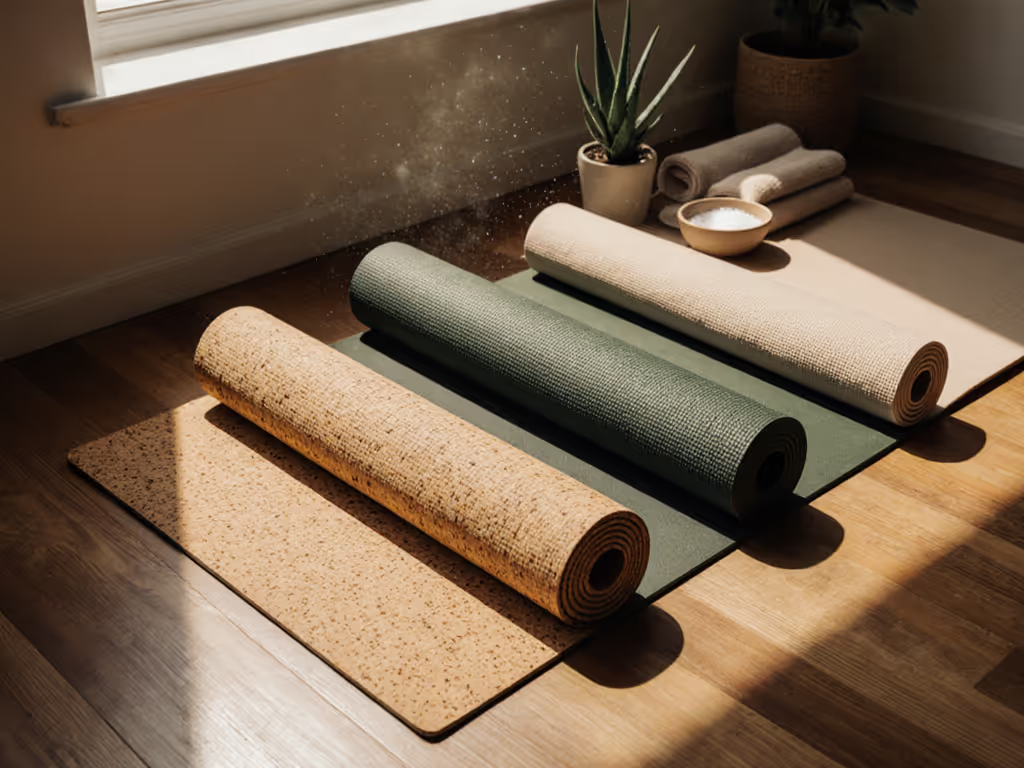
Cork (usually on a rubber base)
- Grip: Improves as it gets slightly moist; dry grip is moderate to good depending on finish.
- Stability: Rubber base provides solid floor grip and density.
- Temperature: Cork feels naturally cool and is pleasant for heat-sensitive practitioners.
- Sensory: Smooth but subtly textured; often comfortable for nerve sensitivity.
- Watch for: If you barely sweat, you may need a tiny bit of moisture on hands/feet to activate its best grip.
Best for: people who run warm, want a cooler-feeling surface, and like a natural material against the skin.
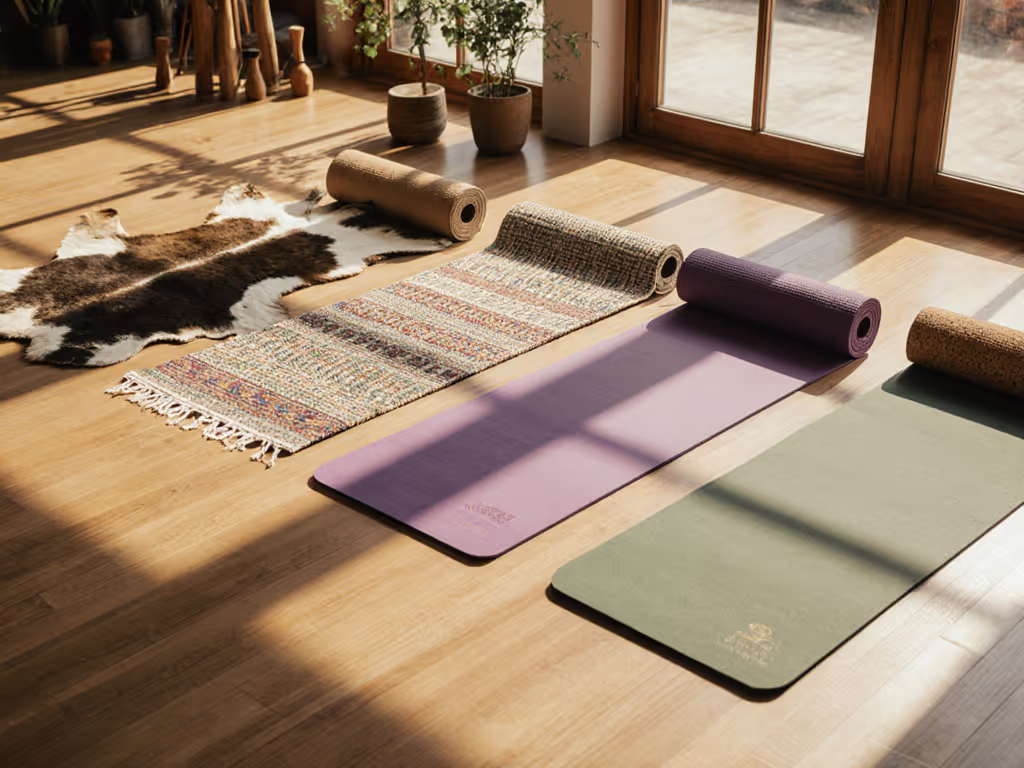
Cotton / jute / fabric blend mats
- Grip: More like a thick towel on the floor; good if you sweat, less so if you're dry.
- Stability: Depends entirely on what's underneath - on their own, many are thin.
- Temperature: Breathable, not heat-trapping.
- Sensory: Fabric texture can be comforting, or too rough, depending on nerve sensitivity.
Best for: layering on top of a denser base mat to change texture without sacrificing stability.
Traditional PVC "gym" mats
- Grip: Ranges from good to poor; often slick when new and when wet.
- Stability: Medium density; can compress over time.
- Temperature: Neutral.
- Sensory: Slightly squishy; some people dislike the initial chemical odor.
Best for: budget or temporary use; not my first choice for MS where predictable grip is central.
FAQ 4: How thick should my mat be if I have MS?
A single "right" number doesn't exist, but here's how I think it through in the studio when working with students who mention balance or nerve issues. For a deeper thickness breakdown, read our yoga mat thickness guide.
Start with density, not just thickness
A 4 mm dense rubber or PU/rubber mat often feels more supportive than a 6 mm soft foam mat because:
- Dense mats transmit clearer feedback from the floor (better for balance).
- Softer mats spread out your weight and can feel like standing on sand.
Assess your primary need
- If balance and falls are your main concern, then choose a 4-5 mm dense mat, plus a folded blanket only where needed (under knee, under head, etc.).
- If joint pressure or contact pain dominates, then 5-6 mm, but dense, or layer a stable mat with a thin topper or blanket.
- If you often practice supine or seated work and rarely stand, then you can tolerate softer or thicker surfaces more safely.
Whenever possible, keep the surface under your standing foot as firm and predictable as you can, and build extra cushioning selectively for everything else.
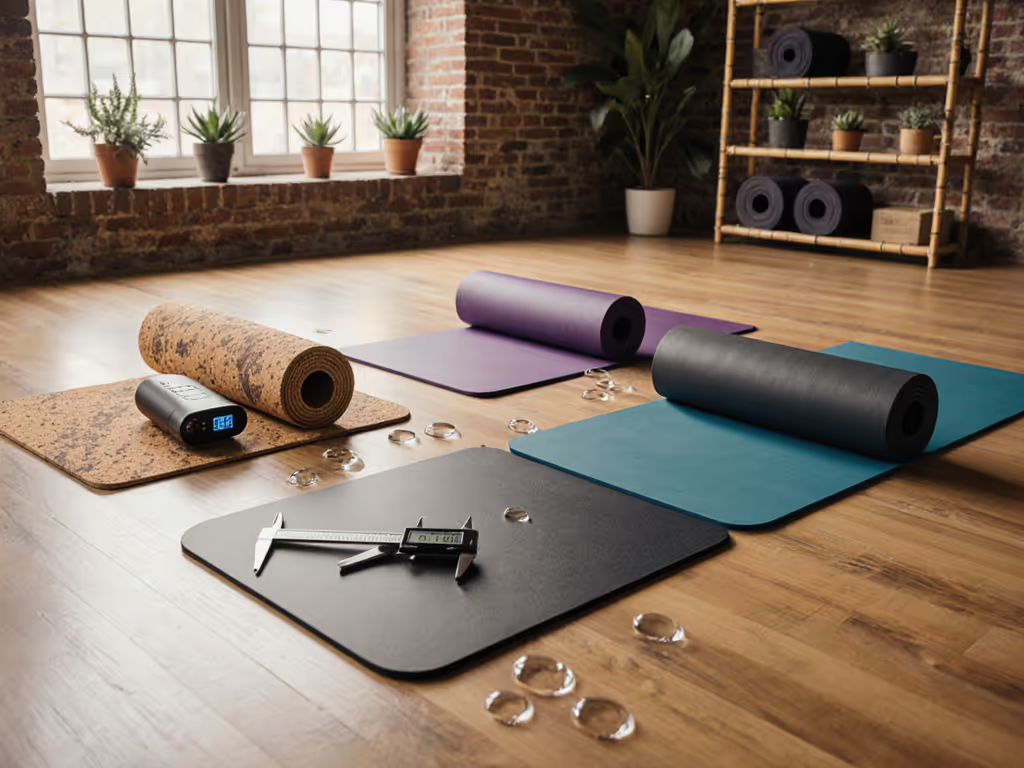
FAQ 5: How can I test if a mat is MS-friendly at home?
Here's a simple, repeatable check you can do without pushing intensity. Stop immediately if anything feels unsafe or aggravates your symptoms.
Step 1: Floor-side grip
- Lay the mat on your usual practice floor.
- Stand with feet hip-width apart, near one end.
- Gently push the mat forward and sideways with your feet.
You want minimal wrinkling or bunching, and the mat shouldn't slide more than a centimeter or two.
Step 2: Static stance stability
- Stand in a slightly wider-than-usual stance, knees soft.
- Close eyes for a few slow breaths if safe for you or fix gaze on a single point if not.
- Notice: do your feet feel grounded and clearly in contact with the floor through the mat, or lost in foam?
If you feel like you're on a mattress, the mat may be too soft for balance work.
Step 3: Low-risk grip test
From hands and knees:
- Place hands shoulder-width, fingers spread.
- Very gently shift weight forward and back.
- Check if your hands creep or slip, especially when a bit of weight comes over the wrists.
Add a light, safe amount of sweat or moisture (e.g., slightly damp palms) to simulate warm conditions if that's common for you.
Step 4: Sensory comfort
Lie down on your back and simply notice:
- Do any patterns or textures feel scratchy under the shoulder blades or spine?
- Do you sense hot spots or pressure points at the sacrum, heels, or back of the head?
A good yoga mat for nerve sensitivity should quickly "disappear" under you, so your attention goes to breath and alignment, not to the surface.
FAQ 6: I care about sustainability - can I still get enough performance?
Yes, but treat eco-credentials as a tie-breaker, not the primary filter, when balance and fall risk are in play.
Options to consider once you've found a safe-feeling mat type:
- Natural rubber from responsibly harvested sources instead of PVC.
- Cork-rubber hybrids for renewable top layers and long life.
- Mats made with organic or recycled cotton toppers (on a dense base) if you like fabric under your skin.
When your mat eventually wears out, many brands or third parties now offer:
- Take-back or recycling programs that upcycle old mats into new products like playground surfacing or underlayment, keeping them out of landfills.
- Guidance on repurposing old mats as shelf liners, pet-bed padding, knee pads for gardening, or sound dampening under appliances.
Sustainability counts, but with MS, prioritize non-slip stability and safe density first, then choose the most responsible option in that subset. When it's time to retire a mat, our yoga mat recycling guide explains responsible end-of-life options.
FAQ 7: Do I really need a premium mat, or will a budget one work?
Think in terms of risk, usage, and flooring.
A premium mat is more likely to be worth it if:
- You practice several times per week.
- You're on hard floors where slips or falls would be serious.
- You've already had issues with wobble, sliding, or joint pain on cheaper mats.
If your practice is occasional, mostly seated or supine, and on carpet, a mid-priced, moderately dense mat can be sufficient, as long as it passes your home tests for:
- Bottom grip on your exact carpet
- Texture comfort on sensitive skin
- Adequate support when you press a knee or elbow into it
Rather than price, track performance per year: a $100 mat that stays safe, grippy, and intact for 5-6 years may be less expensive than replacing a $30 mat every 8-12 months due to wear or underperformance.
Summary & Final Verdict: How to choose a yoga mat for multiple sclerosis
If you remember only a few things, make them these:
For MS, stability and predictable grip matter more than plushness.
1. Prioritize density and grip over thickness. Aim for a 4-5 mm dense mat that stays put on your floor and keeps your hands and feet from sliding, even when slightly damp.
2. Match texture to your nervous system. If you have nerve sensitivity, favor smooth or micro-textured surfaces and avoid harsh ridges or rough woven toppers.
3. Keep standing surfaces firm; add softness only where you need it. Use props, blankets, or a second layer only under sensitive joints instead of buying a very thick, unstable mat.
4. Consider your real-world logistics. Balance mat weight with how far you carry it, how fatigue shows up for you, and whether you can store a heavier mat at the studio.
5. Treat sustainability as a second filter. Once you've found mats that feel safe and supportive, choose the most eco-conscious option among them and plan for recycling or repurposing when it wears out.
From crowded evening classes with failed air systems to quiet home practices on cool wood floors, the lesson is the same: when the mat holds in the worst conditions, your mind is free to work with whatever your body brings that day. That's the standard I use when testing any yoga mat for exercise, and it's the standard I'd suggest you use for your own setup with MS.
Studio chaos, simple choices: pick a stable, grippy, dense mat that feels neutral under your nervous system, confirm it with a few gentle home tests, and let the surface disappear so your attention can go where it's most useful, on breath, feedback, and the next doable movement.
Related Articles